
Head Gear offers all kinds of visual delights for clients around the world.
The Production Process
2D Animation
The production process will include 5 stages as shown below.
STYLE FRAMES STAGE:
We will create style frames for key scenes. As little as two or three may be enough to indicate the general creative direction
Style frames will indicate general composition, colour, and animation/illustration style.
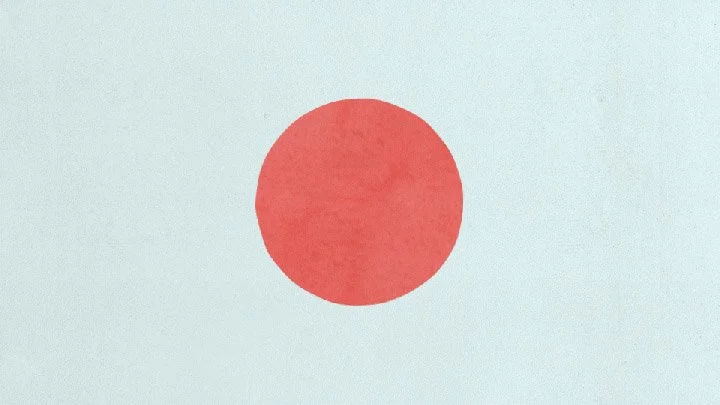
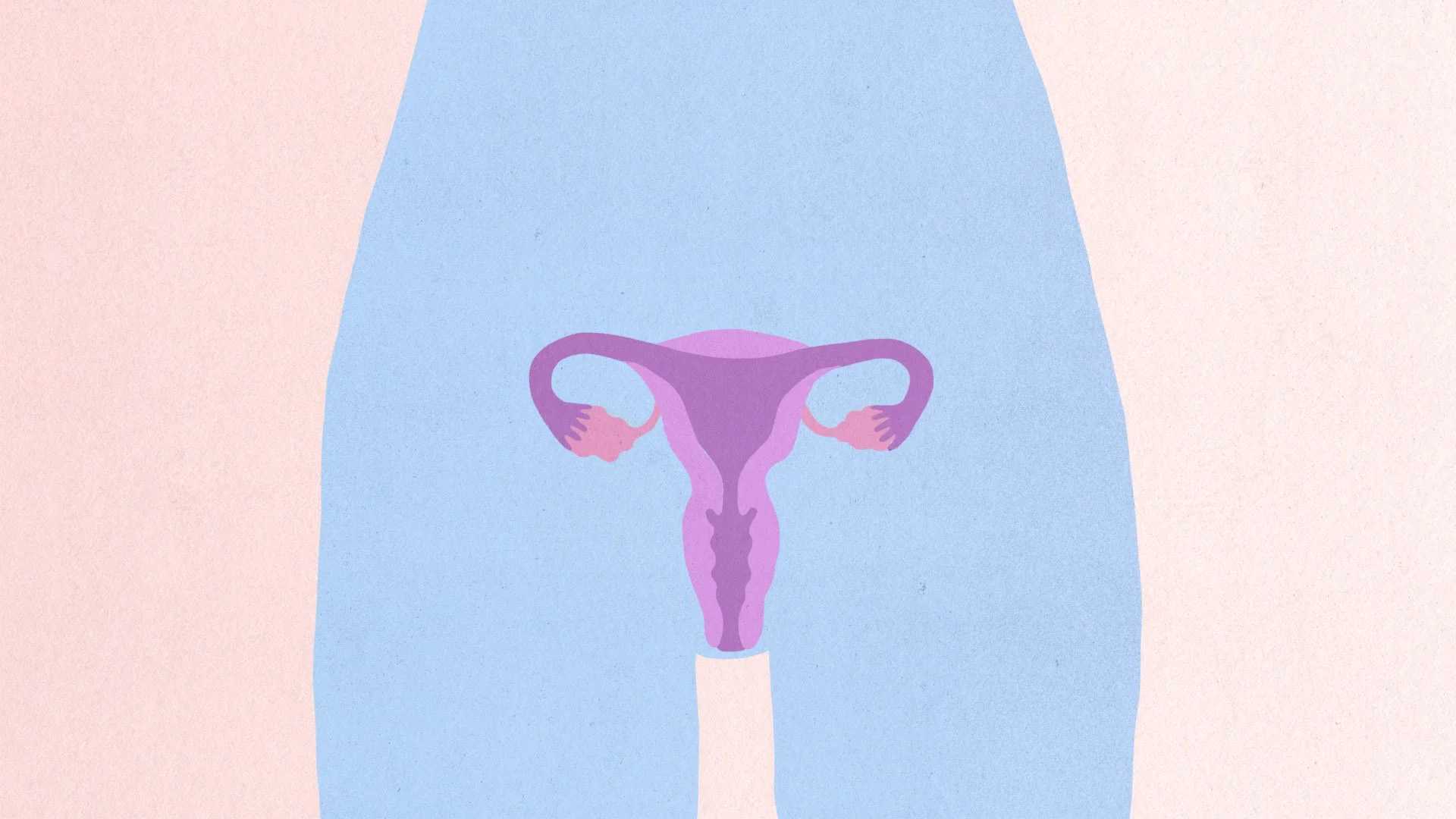
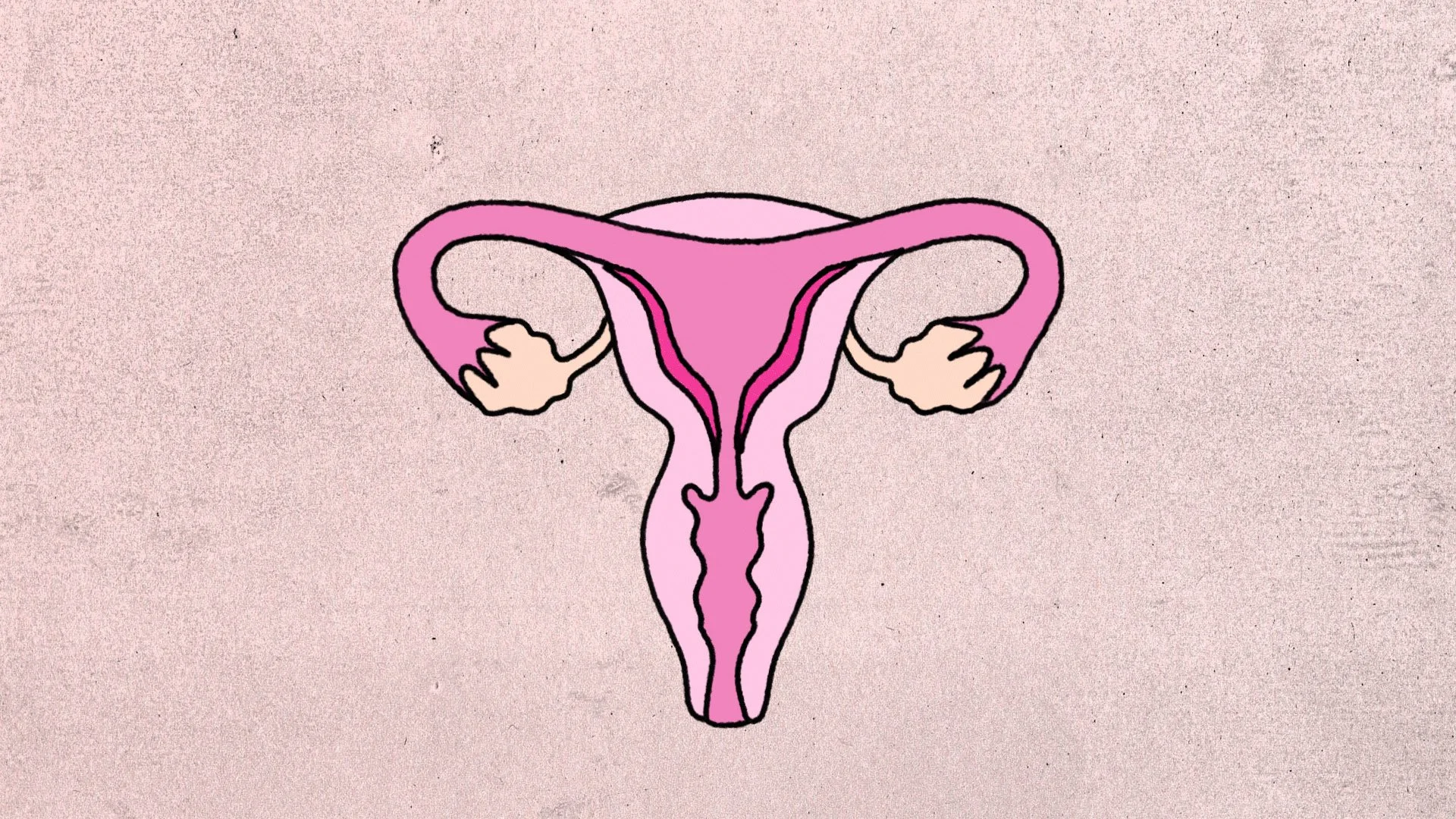
These illustrations demonstrate, that at this point in the production, we were experimenting with the use of a black line or not. .
STORYBOARDS STAGE:
After style frames are approved we will create a storyboard from the current script.
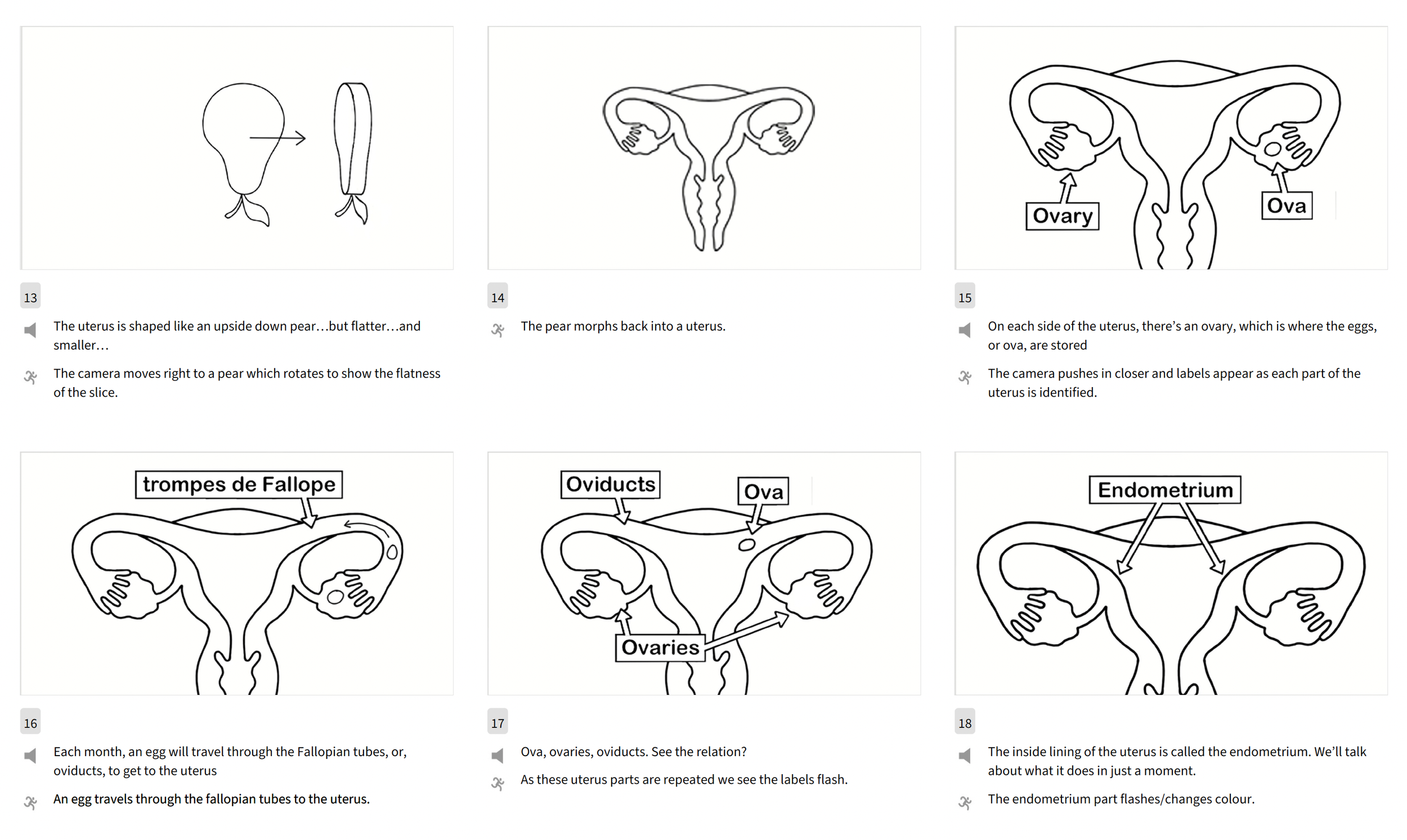
The storyboard will show key frames from each scene matched with the relevant VO. They will also show where supers, if applicable, will appear. The storyboards would also indicate if any SFX might occur.
There is usually one round of storyboard approval where any client comments and revisions are addressed.
One page from a sample storyboard. (See related animatic below)
ANIMATIC STAGE:
After storyboard approval we will build an animatic.
The animatic is where we put frames from the storyboard in a visual timeline synched with preferably the final VO, or a scratch track that we would record for timing.
The animatic is typically a sequence of black and white pencil drawn frames that are timed out to the VO.
As well, at this stage we create the composition and timings for all supers, any intro or titles and the end tag.
It is important to get the animatic approved before proceeding with the animation stage.
There is usually one round of animatic approval where any client comments and revisions are addressed.
This stage allows everyone to sign off on the composition of scenes, pacing and timing in general.
At this stage we might also include music choices.
Sample excerpt of the animatic from the storyboard page above.
ANIMATION STAGE:
The approved animatic is used as a template for animating all the elements and transitions.
Colour, textures or other elements are also added at this stage.
In some cases some preliminary animation has already happened in the animatic stage and is further refined
This is also the stage where we animate the supers if any and select the final music.
In the case of French versioning, this stage would happen after approval of the English Final.
Example of 2D Layering technique - 2D layers in 3D space.
VERSIONING AND OUTPUT:
After approval of the Final English version, we would address and output any versioning and/or cutdowns.
As well we would output a WIP French version, which usually requires it own round of approval, after which we deliver the Final French version.